
Smartphones are no longer just communication devices they’ve become essential tools that shape our work, entertainment, and social lives. In this article, Whether you’re a student attending online classes, a professional managing work on the go, or a gamer chasing smooth graphics, the right smartphone can transform your experience.
But with hundreds of models on the market, choosing the best smartphone for your lifestyle can feel overwhelming. Should you go for the latest iPhone, a high-end Samsung, or a budget-friendly option from Xiaomi, OnePlus, or Realme? The answer depends entirely on your personal needs, preferences, and lifestyle.
In this guide, we’ll walk you through the key factors to consider and help you match the perfect smartphone with your daily routine.
1. Understand Your Lifestyle Needs First
Before looking at specs and features, reflect on how you use your phone daily.
- Students – Need long battery life, good performance for learning apps, and affordability.
- Professionals – Value multitasking, security, productivity features, and premium build quality.
- Gamers – Demand high refresh rates, powerful processors, and advanced cooling systems.
- Content Creators – Require excellent cameras, editing tools, and storage capacity.
- Travelers/Outdoor Users – Look for durability, water resistance, and reliable connectivity.
- Budget-Conscious Users – Want the best value without compromising on essentials.
Once you define your priorities, narrowing down choices becomes much easier.
2. Operating System: iOS vs. Android
Your choice of operating system (OS) determines your entire smartphone experience.
🔹 iOS (Apple iPhones)
- Smooth, secure, and optimized performance.
- Regular updates for years.
- Excellent ecosystem integration (MacBook, iPad, Apple Watch).
- Limited customization, expensive devices.
🔹 Android (Samsung, Google, OnePlus, Xiaomi, etc.)
- Wide variety of phones at all price ranges.
- Highly customizable interface.
- Bigger batteries and faster charging in most models.
- Updates vary depending on the manufacturer.
Lifestyle Match:
- iOS = Professionals, creative users, or those heavily invested in Apple products.
- Android = Gamers, budget-conscious buyers, tech enthusiasts who love customization.
3. Performance: Processor, RAM, and Storage
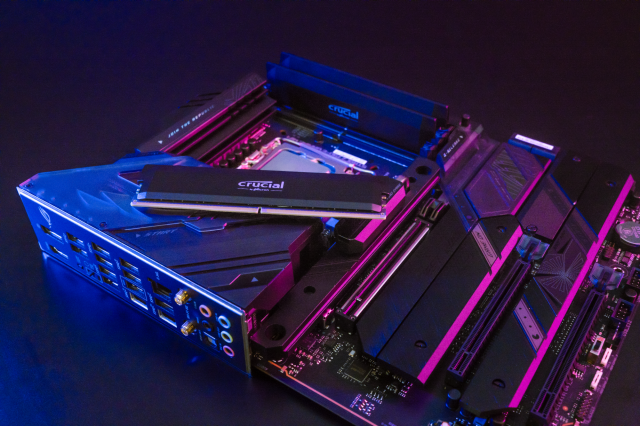
Your phone’s speed and multitasking ability depend on these three elements.
🔹 Processor (Chipset)
- Flagship Chips: Apple A17 Pro, Qualcomm Snapdragon 8 Gen 3, Google Tensor G3 — best for gaming, multitasking, and heavy apps.
- Mid-Range Chips: Snapdragon 7 Gen, Dimensity 8000 series — solid balance of power and efficiency.
- Entry-Level Chips: Snapdragon 4 Gen, Helio G series — suitable for basic use (calls, browsing, light apps).
🔹 RAM
- 4GB–6GB: Basic use (social media, browsing, light apps).
- 8GB: Multitasking and gaming.
- 12GB+: Power users, gamers, content creators.
🔹 Storage
- 64GB–128GB: Adequate for students and light users.
- 256GB: Good for professionals and casual photographers.
- 512GB–1TB: Best for creators storing high-resolution videos and games.
Tip: Always consider expandable storage (microSD) if you shoot videos or download many apps.
4. Display: Size, Resolution, and Refresh Rate
Your screen is the most interactive part of your phone.
- Size:
- 5.8–6.2 inches: Compact, easy one-hand use.
- 6.3–6.7 inches: Balanced for work and entertainment.
- 6.8–7.1 inches: Great for gamers, movie lovers, multitaskers.
- Resolution:
- HD+ (720p): Entry-level phones.
- Full HD+ (1080p): Perfect balance of sharpness and efficiency.
- Quad HD/2K (1440p): Premium flagships, crystal clear visuals.
- Refresh Rate:
- 60Hz: Standard, smooth enough for basic use.
- 90Hz–120Hz: Ideal for gamers and smooth scrolling.
- 144Hz+: High-end gaming smartphones.
Lifestyle Match:
- Professionals & Students → Full HD+ with 90Hz.
- Gamers & Creators → 120Hz+ AMOLED/QHD display.
5. Camera Quality: For Photography and Video Lovers
Modern smartphones are replacing DSLRs, but not all cameras are equal.
🔹 Key Camera Specs:
- Megapixels (MP): Higher isn’t always better; sensor quality matters more.
- Aperture (f/1.6–f/2.0): Lower values mean better low-light performance.
- OIS (Optical Image Stabilization): Reduces blur in photos and videos.
- Multiple Lenses: Wide, ultra-wide, telephoto, macro for versatility.
- Front Camera: Crucial for selfies, video calls, and vlogging.
🔹 Best Options for:
- Content Creators/Influencers: iPhone 15 Pro, Samsung Galaxy S23 Ultra, Google Pixel 8 Pro.
- Casual Photographers: OnePlus 11, Xiaomi 13 Pro, Vivo X90 series.
- Budget Users: Redmi Note, Realme Narzo, Samsung A series.
Tip: If you shoot TikToks, Instagram Reels, or YouTube videos, look for phones with 4K/8K recording and advanced stabilization.
6. Battery Life and Charging Speed
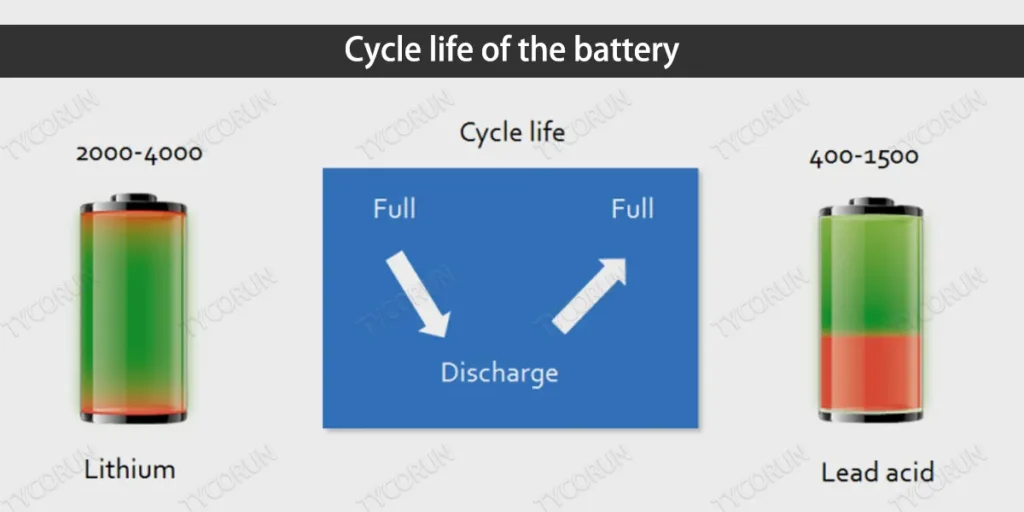
No one wants a dead phone in the middle of the day.
- Battery Capacity:
- 4000mAh–4500mAh: Standard for average use.
- 5000mAh+: Best for heavy users, gamers, and travelers.
- Charging Speed:
- 18W–25W: Normal charging.
- 33W–65W: Fast charging (0–100% in 30–60 mins).
- 100W–240W: Ultra-fast charging (15–20 mins full charge).
- Wireless Charging: Convenient for iPhones and premium Androids.
Lifestyle Match:
- Travelers/Gamers → 5000mAh+ with fast charging.
- Professionals → Wireless + reverse wireless charging for accessories.
7. Connectivity and 5G Support
With 5G rolling out globally, having a 5G-compatible phone is a future-proof investment.
- 5G: Faster downloads, smoother video calls, better gaming.
- Wi-Fi 6E: Stronger, faster internet in crowded areas.
- Dual SIM & eSIM: Handy for international travelers.
- NFC: Essential for contactless payments.
Lifestyle Match:
- Frequent Travelers → Dual SIM + 5G + Wi-Fi 6E.
- Business Users → eSIM + NFC support.
8. Build Quality and Durability
If you’re always on the move, durability matters.
- Materials: Glass (premium look, fragile), Plastic (lightweight, durable), Metal (solid, premium).
- Protection: Gorilla Glass Victus+ for scratch resistance.
- Water/Dust Resistance: IP67/IP68 certified for outdoor use.
- Rugged Phones: Special models built for extreme conditions.
Lifestyle Match:
- Outdoor Adventurers → Rugged phones with IP68 and shockproof cases.
- Business Professionals → Premium glass/metal designs.
9. Software Features and Ecosystem
A phone isn’t just hardware — software features can improve productivity.
- iOS Ecosystem: Handoff, AirDrop, FaceTime, iCloud storage.
- Samsung Ecosystem: Samsung DeX (turns phone into PC), SmartThings integration.
- Google Ecosystem: Best for cloud users (Drive, Gmail, Google Photos).
- Customization: Android skins (MIUI, OxygenOS, OneUI) vs. Stock Android (Pixel).
Choose based on whether you want integration with other devices or customization freedom.
10. Budget Considerations
Finally, money matters. Here’s a quick breakdown:
- Budget (Under $300): Xiaomi Redmi, Realme, Samsung A-series. Great for students and casual users.
- Mid-Range ($300–$700): OnePlus, Pixel 7a, Samsung S series Lite. Balanced performance.
- Flagship ($800+): iPhone Pro, Samsung Ultra, Google Pixel Pro. Best for professionals, gamers, and creators.
- Foldables ($1200+): Samsung Galaxy Z Fold/Flip, Oppo Find N2. Perfect for multitaskers and trendsetters.
11. Matching Smartphones with Lifestyles
Here’s a quick reference:
- Students: Affordable, long battery life, decent cameras → Redmi Note, Realme Narzo, Samsung Galaxy A.
- Professionals: Productivity, security, premium feel → iPhone Pro series, Samsung Galaxy S/Note.
- Gamers: High refresh rate, cooling, big batteries → ASUS ROG Phone, Poco F series, OnePlus 11.
- Content Creators: Best-in-class cameras → iPhone 15 Pro Max, Samsung S23 Ultra, Google Pixel 8 Pro.
- Travelers/Outdoor Users: Rugged + durable → Samsung Galaxy XCover, Motorola Defy, iPhone with rugged case.
✅ Final Thoughts
Choosing the best smartphone isn’t about chasing the latest release or the highest price tag — it’s about finding the perfect balance between features and your lifestyle needs.
Ask yourself:
- What do I use my phone for the most?
- Do I prioritize performance, cameras, or battery?
- How much am I willing to spend?
Once you answer these questions and match them to the factors we discussed — OS, performance, display, camera, battery, connectivity, durability, and budget — you’ll be well on your way to selecting a phone that fits seamlessly into your lifestyle.
A smartphone is not just a device; it’s your companion for productivity, entertainment, creativity, and connection. Choose wisely, and it will serve you well for years.